Immune Thrombocytopenia CRO Services
Global ITP Programs Built Around Targeted Patient Access and Hematology Expertise
At Worldwide, we deliver immune thrombocytopenia programs globally with the regional infrastructure that supports delivery excellence. Established relationships with hematology treatment centers, partnerships with more than 10 patient advocacy groups and a dedicated hematology team help sponsors reach chronic and refractory ITP patients and retain them across long programs.
Tell us about your study
We’ll connect you with the right hematology development team.
Why ITP Programs Demand Specialized Support
Built for the Realities of ITP Trials
We bring together established relationships with hematology treatment centers, deep expertise in immune-mediated disorders and disease-specific endpoints, and a delivery model built for small populations and cohort-structured designs, to help our partners de-risk rare hematology development and accelerate decisions.
Novel Mechanisms Resetting Endpoint Expectations
BTK inhibitors, FcRn antagonists, and CD38-targeting agents are changing what new ITP therapies are measured against. Less-frequent dosing and subcutaneous administration change patient engagement patterns across the life of a trial.
Access to Chronic & Refractory Patient Groups
Programs recruiting relapsed or non-responding patients depend on investigator relationships and advocacy partnerships that are already active when the study opens. Those connections take years to build.
Cohort-Structured Programs & DMC Timing
Cohort-structured programs move at the pace of the DMC calendar, with review-ready data expected in days rather than weeks and the next cohort opening on the decision.

Partnership & Approach
Senior Hematology Partnership, Structured Around Your ITP Program
Worldwide maintains project leadership continuity across the life of your ITP program through stable core team assignments, dedicated hematology experts, formal succession planning and knowledge-management processes, supported by consistent executive oversight and cross-functional governance. That holds whether a program starts with us or transitions mid-study.
Hematology Programs Delivered Across 25 Countries & Five Continents
16 classical hematology programs over the past five years, from Phase I-IV, across rare bleeding disorders, hemoglobinopathies, neutropenia, and immune-mediated conditions.
16
Classical Hematology Programs Over Five Years
Spanning sickle cell disease, von Willebrand disease, acquired hemophilia A, factor X deficiency, erythropoietic protoporphyria, chronic neutropenia, and immune thrombocytopenia from Phase I-IV.

25
Countries
5
Continents
500
Bleeding Disorder Centers
Site networks built around documented disease prevalence across Africa, MENA, LATAM, India, and South Asia, with partnerships across more than 10 patient advocacy groups.


DMC Review-Ready Data Within 10 Days
On a Phase Ib program, following the last cohort 1 subject reaching day 36, with the first two cohort 2 subjects dosed within 24 to 48 hours of the DMC decision.

Why Worldwide for ITP Trials
Reduced Risk in Small Populations & Complex Designs

Disease & Laboratory Expertise
Board-certified adult and pediatric hematologists who practice in the indications they deliver, with expertise in immune-mediated disorders, novel biomarkers and disease-specific endpoints.

Investigator Networks & Advocacy Partnerships
Established relationships with hematology treatment centers and partnerships with more than 10 advocacy groups dedicated to rare blood disorders, so referral pathways are open before a program needs them.

Independent Recognition & Delivery Quality
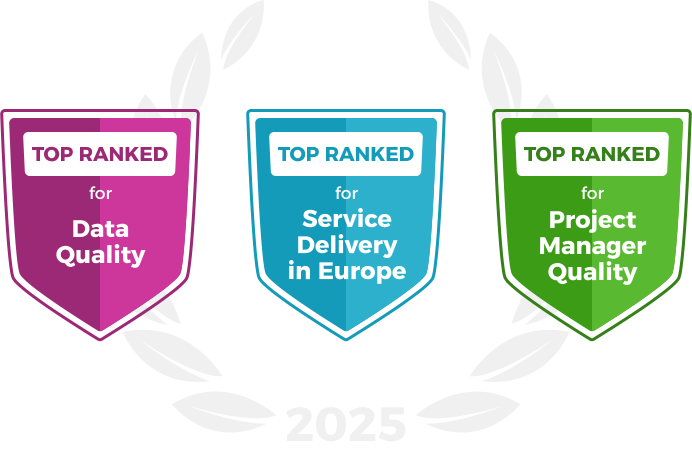
Ranked the #1 highest-rated Phase II/III CRO for the second consecutive year in the Industry Standard Research report, with Top Ranked badges for Data Quality, Service Delivery in Europe, and Project Manager Quality.
Frequently Asked Questions
Your Questions Answered
We have answered the questions sponsors ask most often about ITP clinical development. If yours isn’t here, our classical hematology team is happy to help.
Worldwide supports ITP programs across chronic and refractory patient groups, including adults, adolescents, female patients, and pediatric patients whose ITP has persisted or recurred after prior treatment. Patient population breadth is now built into protocols rather than added later, and site selection is designed around documented patient access and investigator networks established for those groups.
Enrollment starts with investigator relationships and advocacy partnerships that are already active across Africa, the Middle East, Latin America, and South Asia, the regions where most classical hematology patients live. Cross-border enrollment strategies are built around patient mobility, referral pathways, travel requirements, and cultural norms, so site activation translates into enrolled subjects.
Our hematology team tracks late-stage development across BTK inhibitors such as rilzabrutinib, FcRn antagonists such as efgartigimod, and CD38-targeting agents such as ianalumab and mezagitamab. That reading informs protocol design, endpoint strategy and regulatory alignment, including how dosing convenience and administration route change patient engagement across a program.
Worldwide uses custom transition processes at study, country and site level that protect the master protocol and allow new phases to run in parallel with an incumbent CRO’s existing work. On a Phase Ib rare bleeding disorder program, a multi-dose phase and open-label extension ran alongside the incumbent’s single-dose phase, the first subject rolled into the extension without a gap in treatment, and the program changed CROs mid-study without losing time.
ITP programs are staffed with a dedicated hematology team: board-certified adult and pediatric hematologists, project managers averaging over 15 years’ tenure and clinical trial managers averaging close to 20. The same team stays from first protocol conversation through database lock, supported by formal succession planning and knowledge-management processes. CRA turnover across the immunology and inflammation franchise runs at 9.5% against an industry average closer to 25%.
Cohort transitions are managed at the operational level rather than the protocol level, with rapid data turnaround built into the program plan. On a Phase Ib program, DMC review-ready data was available within 10 days of the last cohort 1 subject reaching day 36, and the first two cohort 2 subjects were dosed within 24 to 48 hours of the DMC decision. Screening reopened four weeks ahead of DMC meetings so qualified patients were ready to dose when decisions were released.
See what Worldwide Clinical Trials can do for you.
Get in touch with our team to explore how Worldwide’s dedicated expertise can support your next sickle cell disease program.