
Diabetes CRO Services
Advancing Diabetes Clinical Trials Through Feasibility Intelligence, Technology & Cross-Functional Expertise
At Worldwide, feasibility starts with understanding where patients receive care, the technologies they use, and which sites can reach the target population. Our 2,020+ site metabolic network across 70+ countries brings experience in Type 1 and Type 2 diabetes. Combined with expertise in CGM, wearables, digital endpoints, endocrinology, nutrition, and behavioral health, our teams help sponsors successfully activate studies.
Tell us about your study
We’ll connect you with the right diabetes clinical development team
Why Diabetes Programs Demand Specialized Support
Where Diabetes Programs Gain or Lose Time
Modern diabetes studies require investigators experienced with connected devices, access to well-characterized patient populations, and specialists capable of managing the cardiometabolic and renal factors that define diabetes development. Worldwide brings these elements together through data-driven feasibility, technology-enabled operations, and integrated scientific leadership to reduce risk from the outset.
Partnership & Approach
A Multidisciplinary Diabetes Team, Structured Around Your Program
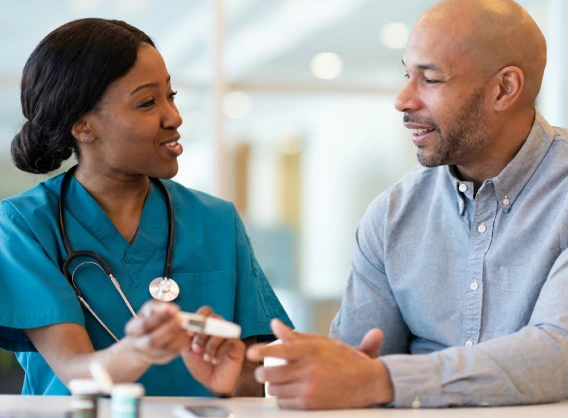
Diabetes programs often extend into multiple cardiometabolic outcomes, requiring coordinated expertise across disciplines. Worldwide has integrated teams that include endocrinology, nutrition, and behavioral health specialists alongside senior scientific, medical, and operational leaders who remain engaged throughout. When programs expand across the CKM continuum, our experts collaborate on the same team, aligning decision-making with streamlined communication, and a seamless approach.
What Worldwide’s Diabetes Programs Have Delivered
A delivery record of diabetes programs ranging from Type 1 and Type 2 diabetes studies to large-scale cardiometabolic outcomes research, leveraging site selection strategies centered on patient access, referral relationships, and operational readiness.
50% Higher Enrollment Than Non-Alliance Sites
Alliance sites activate 30% faster and deliver 50% higher enrollment rates, with pre-qualified relationships and diabetes-specialized patient populations already in place.
2 Weeks to Feasibility
A Phase II T2D program completed feasibility in two weeks, moved from CIRB submission to activation in two months, and closed enrollment 2.5 months ahead of plan.
240 T2D Patients Enrolled Ahead of Schedule
A Phase II GLP-1 RA program in overweight and obese type 2 diabetes patients, delivered in the U.S. on a data-driven site selection strategy.
Why Worldwide for Diabetes Trials
Reduced Risk From Feasibility Through Final Data
Global Scale & Advocacy Partnerships
A global metabolic network of 2,000+ sites across 70+ countries, complemented by partnerships with organizations including Breakthrough T1D, INNODIA, and the International Diabetes Federation. These relationships support patient education, awareness, engagement, and referral pathways, helping sponsors reach diverse diabetes populations worldwide.
Feasibility Intelligence & Technology Readiness
Patient density heat maps and proven site performance data identify high-yield geographies before feasibility begins, while technology readiness assessments ensure sites can support CGM, wearables, telehealth, and digital endpoints from startup through closeout.
Early Phase T1D Development
Diabetes-experienced sites, technology-enabled operations, and scientific expertise support early-phase T1D programs from study design through data delivery. Experience across CGM and CSI protocols, hybrid closed-loop systems, clinical review, and hypoglycemia-alert workflows helps sponsors navigate study complexity and prepare for later-phase development.
Frequently Asked Questions
Your Questions Answered
We have answered the questions sponsors ask most often about diabetes clinical development. If yours isn’t here, our metabolic team is happy to help.
Our feasibility intelligence model begins by identifying where patients with diabetes are, by combining patient density heat maps with known investigator and site networks to identify high-potential geographies. We then evaluate sites based on factors including diabetes trial experience, demonstrated recruitment and retention performance, competing study burden, operational readiness, and startup timelines.
Worldwide supports T1D programs through a multidisciplinary team with experience including adaptive trial designs, C-peptide endpoint strategies, and programs requiring advanced regulatory and operational planning. In cell and gene therapy, this extends to regulatory strategy, specialized site activation, chain of identity and custody oversight, and cold-chain logistics. We support pre-IND meetings and scientific advice consultations to help align strategy with expectation.
Worldwide addresses GLP-1 era complexity in T2D programs by selecting sites with demonstrated GLP-1 experience and implementing patient engagement strategies focused on education, side effect management, adherence, and lifestyle modification to support retention and data quality. For studies spanning the CKM continuum, our endocrinology, cardiovascular, renal, and obesity experts collaborate to deliver a unified development strategy that supports complex endpoint packages and diverse patient populations.
Worldwide integrates CGM, wearable technologies, digital health platforms, and telehealth into diabetes programs, with protocol-specific training and centralized monitoring processes designed to handle high-volume continuous data streams in real time. For studies incorporating complicated endpoints, Worldwide implements established workflows for device management, data transfer, clinician review, and quality oversight to improve operational efficiency, reduce patient burden, and generate high-quality data.
Worldwide improves access for underserved diabetes populations through patient-centered recruitment and retention strategies that combine collaborations with advocacy organizations like Breakthrough T1D, INNODIA, and the International Diabetes Federation with targeted community outreach, culturally appropriate education, and site selection in areas of high patient need. Digital and social media intelligence helps engage underrepresented populations, while flexible visit models, transportation assistance, and reimbursement programs reduce participation burden to improve representativeness and generate more generalizable clinical trial data.
Worldwide supports adaptive T1D trial designs that enable data-driven decisions through predefined adaptation strategies informed by emerging data, patient experience insights, and real-world evidence. Leveraging experience with clinically meaningful endpoints, Worldwide aligns adaptive design with FDA and EMA expectations through early engagement, and provides strategic support for pediatric and adolescent studies including pediatric investigation plans, juvenile toxicology considerations, age-specific operational planning, and global IMP distribution.
Talk to Our Team
Connect with Worldwide’s diabetes experts to discuss your development strategy and learn how our scientific, operational, and regulatory expertise can help advance your next diabetes program.
